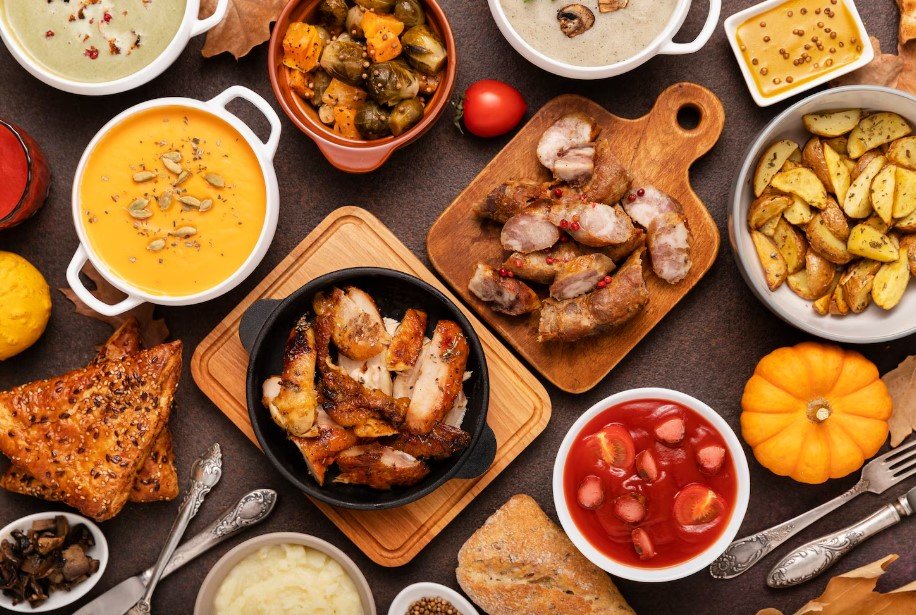
Understanding Food Culture
Food Culture reflects the traditions values and history of a community. It shows how people prepare share and enjoy food. Cultural food habits shape daily routines. Food culture connects people to their roots.
Food as a Social Bond
Food brings people together in meaningful ways. Shared meals encourage conversation and connection. Eating together strengthens relationships. Food becomes a symbol of togetherness.
Traditions Passed Through Generations
Food culture is often preserved through family recipes. Cooking methods and flavors are shared across generations. These traditions carry memories and identity. Food keeps history alive.
Regional Influence on Food Culture
Geography and climate influence food culture strongly. Local ingredients shape cooking styles. Regions develop unique food identities. Environment and culture blend in food.
Festivals and Food Celebrations
Food plays a major role in festivals and celebrations. Special dishes mark important occasions. These meals express joy and gratitude. Food becomes part of cultural expression.
Daily Life and Cultural Eating Habits
Food culture shapes everyday eating patterns. Meal timing and preparation reflect lifestyle. Cultural habits influence food choices. Daily routines are built around food.
Adapting Food Culture Over Time
Food culture evolves with changing lifestyles. New ideas blend with tradition. This adaptation keeps culture alive. Change adds diversity.
Food Culture as a Living Heritage
Food Culture represents shared identity and belonging. It connects past and present. Cultural food practices create continuity. Food culture remains a living and meaningful part of life.